Which jaw to use for crimping copper according to the cross-section? (Complete Guide)
Crimping copper is an essential step to ensure a reliable and durable electrical connection. Yet, one question often comes up: which jaw should be used depending on the copper cable cross-section?
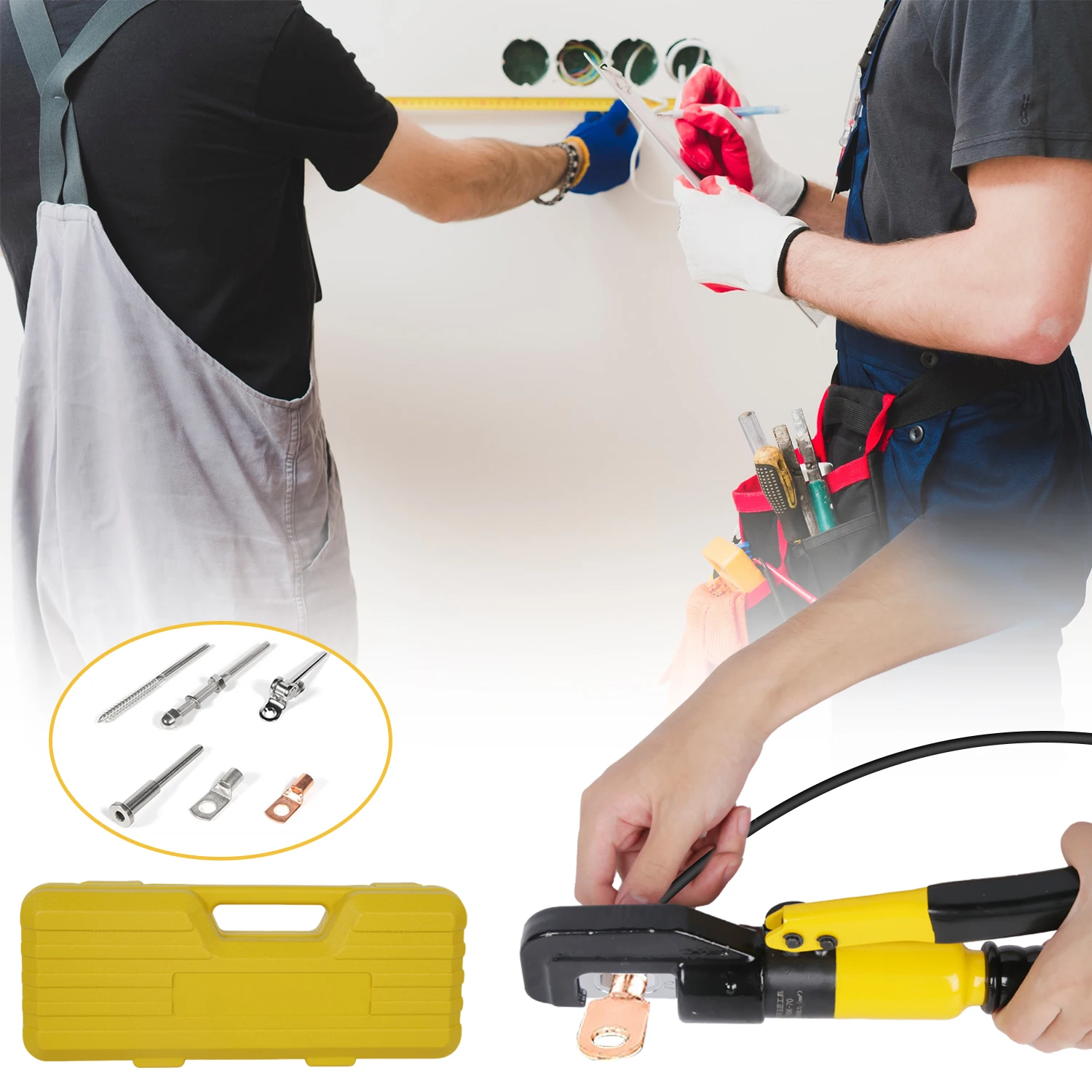
In this article, we'll simply explain how to choose the right jaw to avoid poor contacts, overheating, or faulty connections.
🔧 Why choosing the right jaw is crucial
Each copper cable cross-section requires a specific crimping pressure.
👉 An incorrect jaw can lead to:
- too weak a crimp (poor contact)
- cable crushing
- loss of conductivity
- a risk of overheating ⚠️
👉 The right choice ensures:
✔ a solid connection
✔ optimal conductivity
✔ a secure installation
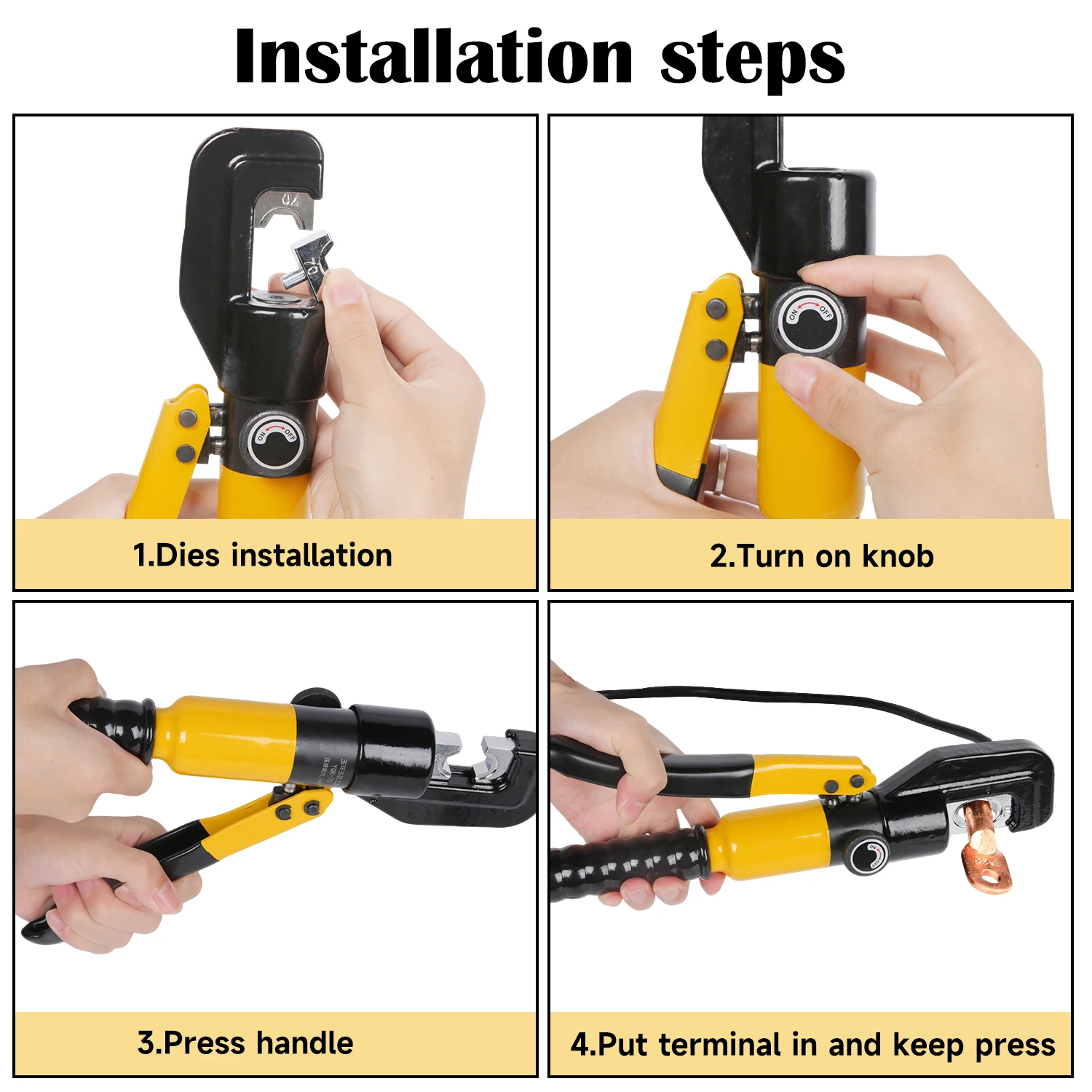
📏 Jaw / Copper Cable Cross-Section Correspondence
Here are the most common sizes used with a hydraulic crimping tool:
| Copper cable cross-section | Suitable jaw |
|---|---|
| 4 mm² | 4 |
| 6 mm² | 6 |
| 10 mm² | 10 |
| 16 mm² | 16 |
| 25 mm² | 25 |
| 35 mm² | 35 |
| 50 mm² | 50 |
| 70 mm² | 70 |
👉 Simple rule: the jaw size must exactly match the cable cross-section.
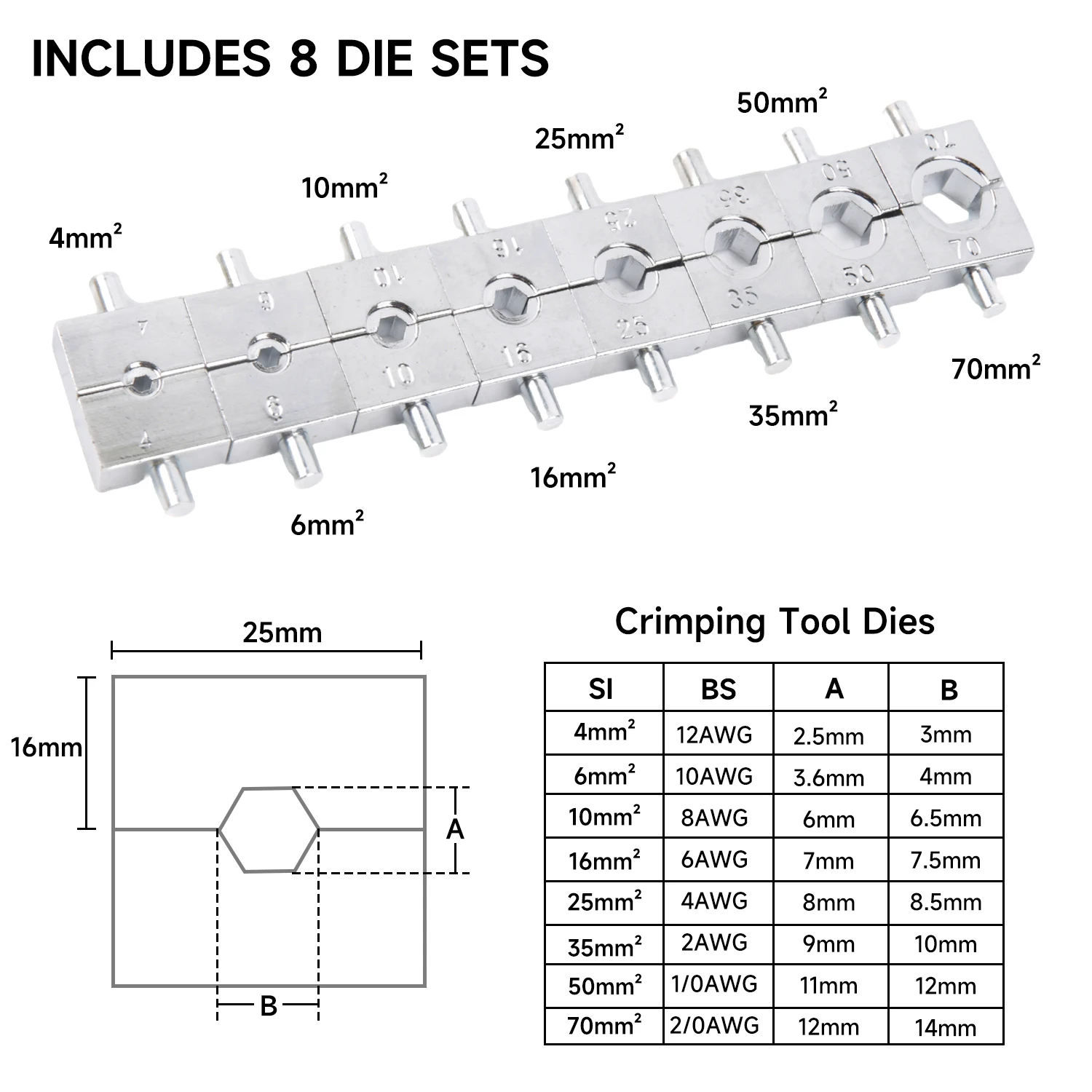
⚙️ Types of jaws for copper crimping
Depending on the tool used, you may encounter different profile types:
- Hexagonal (most common) → uniform crimp 🔥
- Ovalized → often used for specific terminals
- Indentation → more for small cross-sections
👉 For power copper cables (battery, solar, automotive),
➡️ prioritize hexagonal crimping.
🚗 Concrete case: copper battery cable crimping
To crimp a battery cable:
- 25 mm² cable → 25 jaw
- 35 mm² cable → 35 jaw
👉 Use a hydraulic crimping tool to ensure sufficient pressure.
👉 This is essential for high currents.
❌ Mistakes to avoid
- using a jaw that is too large → loose crimp
- using a jaw that is too small → damaged cable
- mixing copper and aluminum without a suitable terminal
- crimping without a suitable tool (hammer, conventional pliers ❌)
💡 Pro tip
For optimal results:
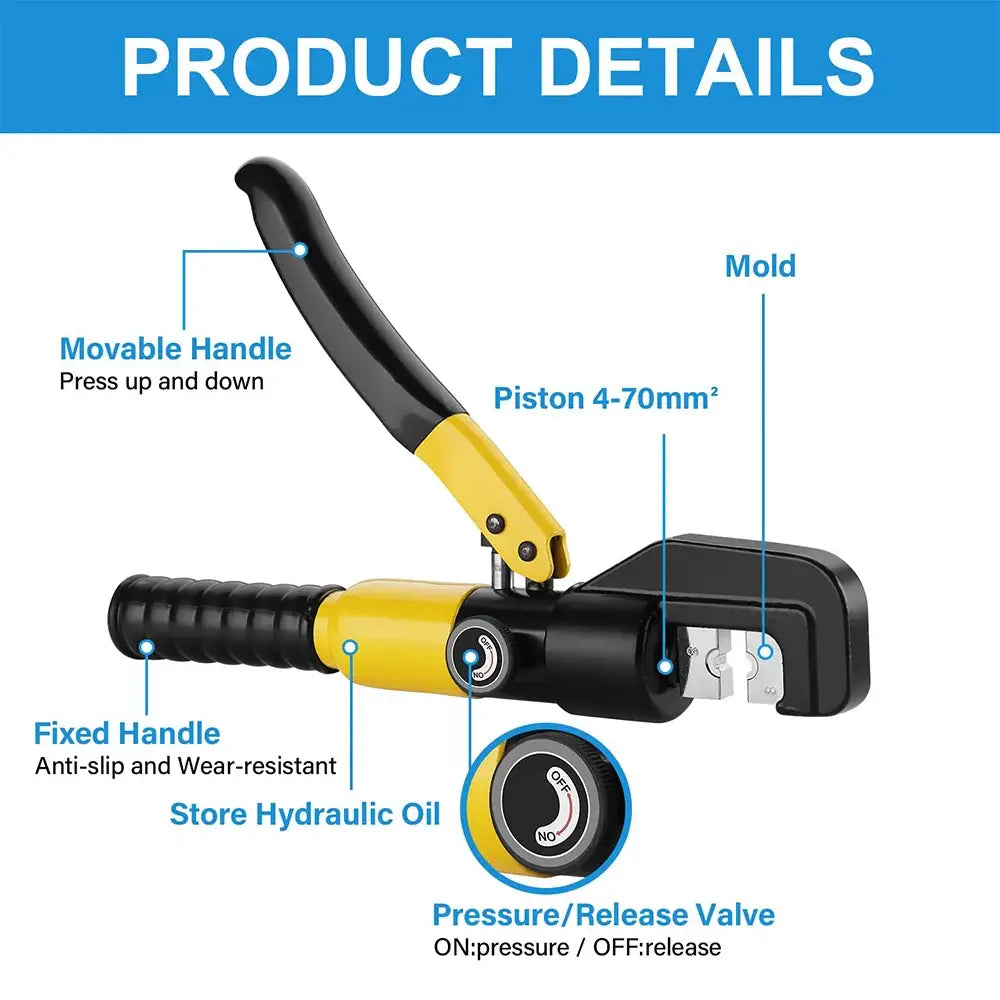
👉 choose a crimping tool with a complete set of jaws (4 to 70 mm²)
👉 make sure the terminals are copper-compatible
🛠️ Conclusion
Choosing the right jaw for copper crimping is simple:
👉 1 cross-section = 1 equivalent jaw
This is the key to a reliable, durable, and secure installation.
💬 If you're looking for a simple and effective solution, a hydraulic crimping tool with interchangeable dies is ideal for covering all common cross-sections.