How many watts should I choose for an inverter?

Choosing the right power for an inverter is essential to prevent outages, protect your devices, and ensure stable operation. But how many watts should you choose for an inverter based on your needs?
The answer mainly depends on the devices you want to power.
Quick Summary
To choose the right power:
- Add up the wattage of your devices
- Add a safety margin of 20 to 30%
- Choose a suitable inverter
Simple formula:
Total device power + margin = minimum inverter power
How to calculate the necessary power?

Each device consumes a certain number of watts.
Example:
- laptop = 100W
- television = 150W
- internet box = 20W
- fan = 60W
Total:
330W
With a 30% margin:
430W minimum
In this case, a 500W or 1000W inverter may suffice.
Concrete examples based on usage
Small use (300W to 1000W)
Ideal for:
- computer
- internet box
- chargers
- small appliances
Example:
- laptop (120W)
- monitor (50W)
- box (20W)
Total = 190W
→ a 500W inverter is sufficient.
Medium use (1000W to 3000W)
Suitable for:
- television
- small tools
- mini-fridge
- lighting
Example:
- TV (200W)
- fridge (300W)
- fan (80W)
- lighting (100W)
Total = 680W
→ a 1500W to 2000W inverter is recommended.
Heavy use (3000W to 5000W+)
For:
- power tools
- coffee maker
- microwave
- pump
- construction equipment
Example:
- drill (800W)
- grinder (1200W)
- compressor (1500W)
Total = 3500W
→ a 4000W or 5000W inverter is recommended.
Should I choose a more powerful inverter?
Yes, in some cases.
Some devices have a start-up peak higher than their normal consumption:
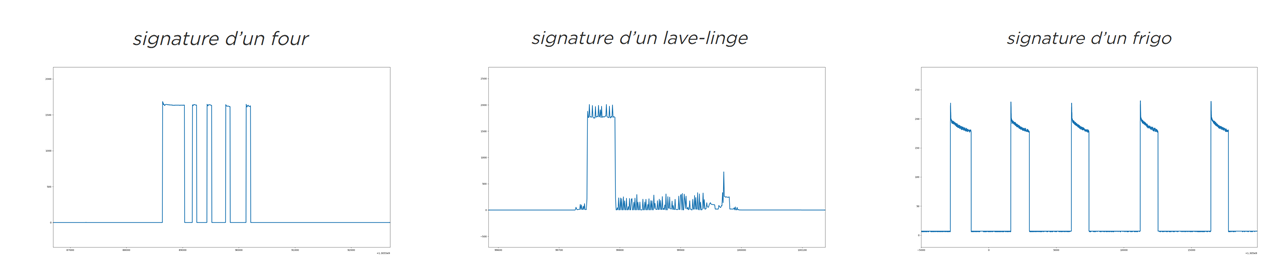
- fridge
- pump
- motors
- tools
A more powerful inverter offers greater safety and stability.
What type of inverter should I choose?
For sensitive devices (computer, TV, solar panels), a pure sine wave inverter is often recommended as it provides a more stable current.
High-power models can power multiple devices simultaneously, especially in cars, camping, or solar installations.
Conclusion
If you're wondering how many watts to choose for an inverter, you first need to calculate the total consumption of your devices and then provide a safety margin. Proper sizing prevents overloads and ensures more reliable daily use.