




Manuzen Selection
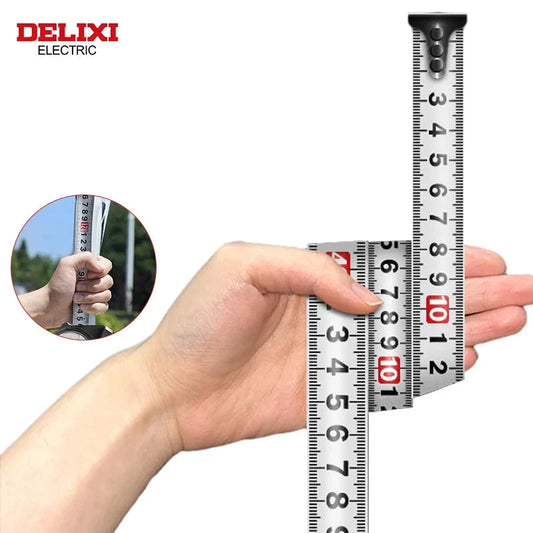
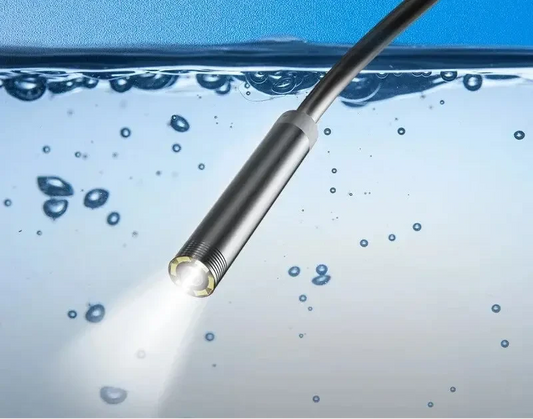
This collection includes laser levels, rangefinders, tapes, carpenter's squares, bubble drilling guides, multimeters, wattmeters, and endoscopes. These instruments measure different quantities: distance, alignment, angle, voltage, power, or visual inspection. To avoid a misleading comparison, start by precisely defining what needs...
This collection includes laser levels, rangefinders, tapes, carpenter's squares, bubble drilling guides, multimeters, wattmeters, and endoscopes. These instruments measure different quantities: distance, alignment, angle, voltage, power, or visual inspection. To avoid a misleading comparison, start by precisely defining what needs to be controlled.
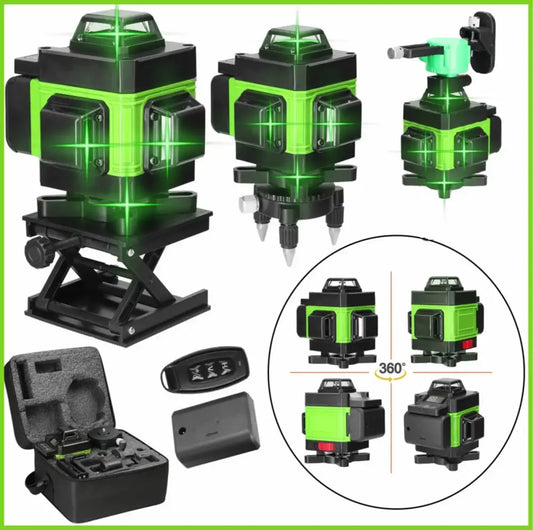
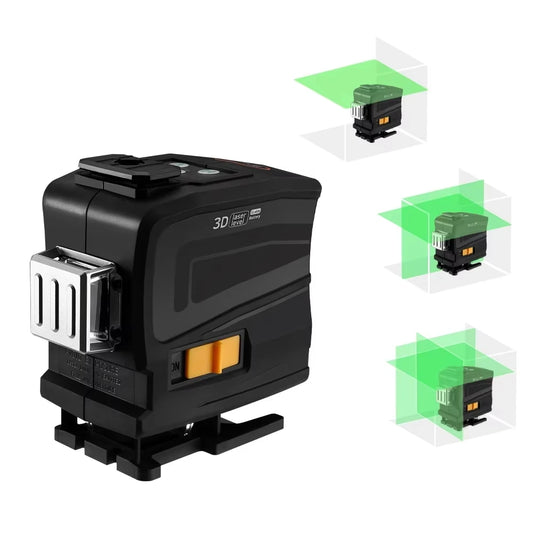
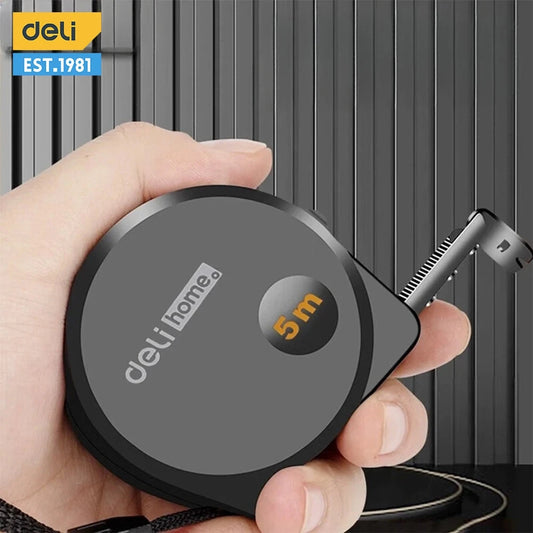
A laser level facilitates alignment and transfer on walls or floors, while a rangefinder quickly estimates distances. Tape measures and squares remain suitable for direct dimension taking. Multimeters and wattmeters are for distinct electrical checks and require adherence to their categories and limits. An endoscope helps observe an inaccessible area but does not measure substrate resistance or defects invisible to the camera.
Check the instrument against a known reference, stabilize it, and repeat the measurement. For a laser, consider the visible range and use a stable support. Never use an electrical device beyond its category or range; consult a qualified person if necessary. Protect optics, remove batteries for prolonged storage, and consult the data sheet for supplied accessories.
To remember: first choose the quantity and range, then compare precision, readability, and conditions of use.
Produits issus du catalogue Manuzen · Vérifiez les caractéristiques sur la fiche.