







Manuzen Selection
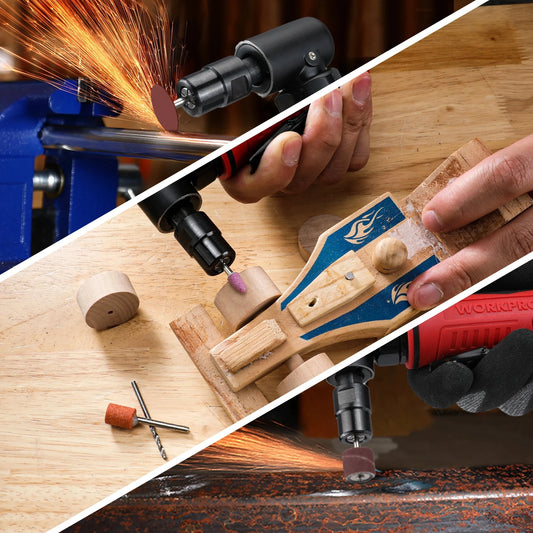
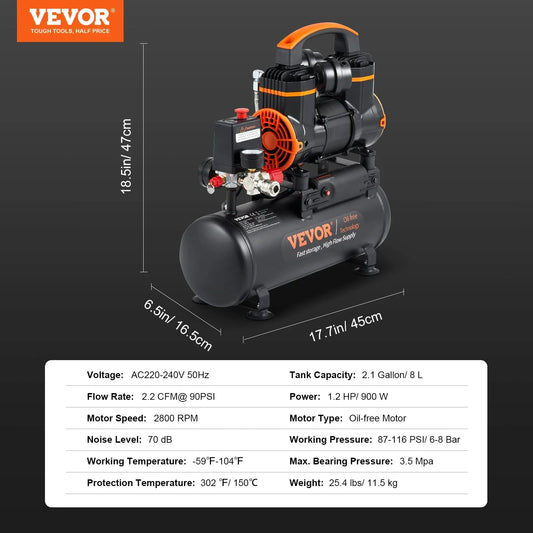
This collection combines a silent oil-free compressor, a compressor head, and several air tools: impact wrench, coil nailer, nail gun/stapler, staple gun, and die grinder. To function correctly, each tool must be matched with sufficient available pressure and, above all,...
This collection combines a silent oil-free compressor, a compressor head, and several air tools: impact wrench, coil nailer, nail gun/stapler, staple gun, and die grinder. To function correctly, each tool must be matched with sufficient available pressure and, above all, airflow.
For stapling and intermittent nailing, a correctly sized compressor recharges between cycles. An impact wrench requires a reserve and flow rate capable of providing the required impulses. A continuously running pneumatic grinder requires a more sustained supply. The compressor head is a replacement or integration component: it does not, by itself, constitute a ready-to-use installation. Before purchasing, add up the needs of tools likely to operate simultaneously.
Wear safety glasses and hearing protection, drain the tank according to the instructions, and disconnect the air before changing an accessory. Inspect hoses and fittings; never check for a leak with your hand. Set the pressure to the required level and securely fasten the workpiece.
Produits issus du catalogue Manuzen · Vérifiez les caractéristiques sur la fiche.


