Manuzen Selection
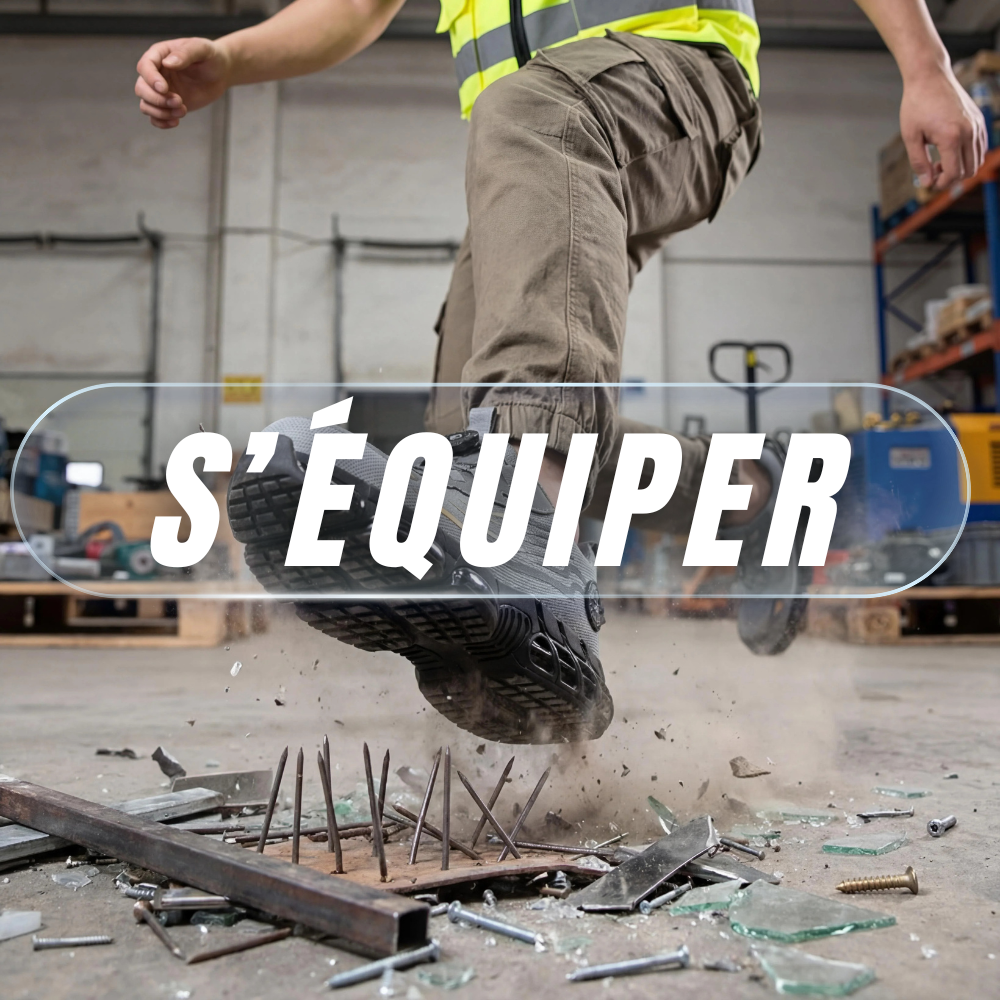
Protective equipment must be selected based on identified hazards: impacts, projections, radiation, dust, or noise. Helmets, bump caps, glasses, welding masks, and hearing protection are only effective if their level of protection and fit are appropriate.Essential criteria The risk: specify...
Protective equipment must be selected based on identified hazards: impacts, projections, radiation, dust, or noise. Helmets, bump caps, glasses, welding masks, and hearing protection are only effective if their level of protection and fit are appropriate.
Glasses protect against anticipated projections but do not always replace a face shield. A welding mask must correspond to the process and the required filtration level. Earplugs or earmuffs are chosen according to exposure, while a bump cap does not offer the same protection as a hard hat.
Follow the risk assessment and employer's instructions. Inspect PPE before each use, clean it with a compatible method, and replace any scratched, cracked, or deformed parts. Never modify equipment and respect its lifespan and storage conditions.
Key takeaway: PPE only protects against risks for which it is certified, well-adjusted, and properly maintained.
Produits issus du catalogue Manuzen · Vérifiez les caractéristiques sur la fiche.