










Manuzen Selection
Safety shoes must protect against workplace risks while remaining comfortable for the duration of the work shift. Trainers, high-top shoes, boots, and non-slip models are compared based on the indicated standard, sole type, support, and professional environment.Essential criteria Risk assessment:...
Safety shoes must protect against workplace risks while remaining comfortable for the duration of the work shift. Trainers, high-top shoes, boots, and non-slip models are compared based on the indicated standard, sole type, support, and professional environment.
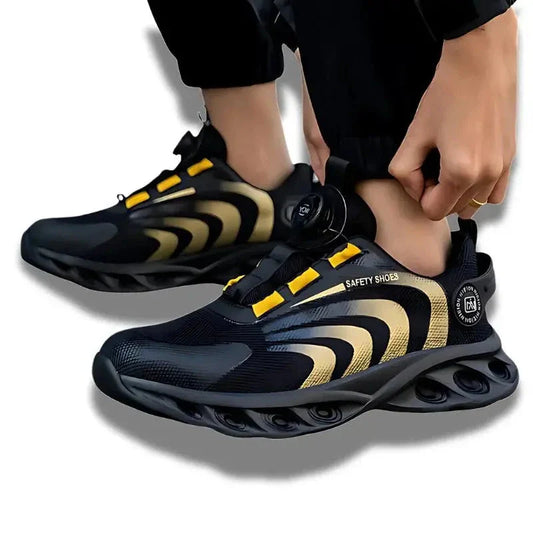
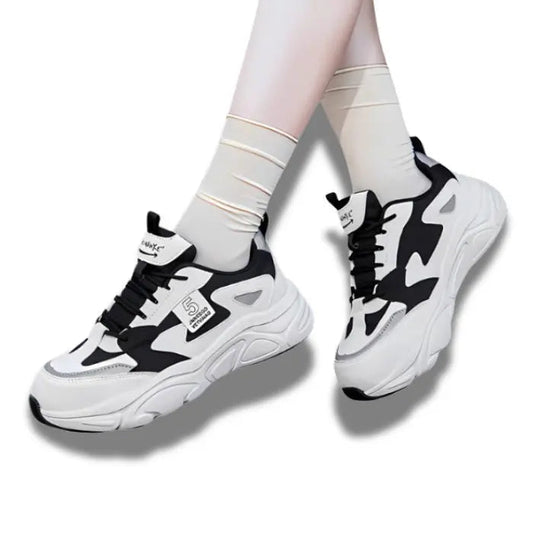
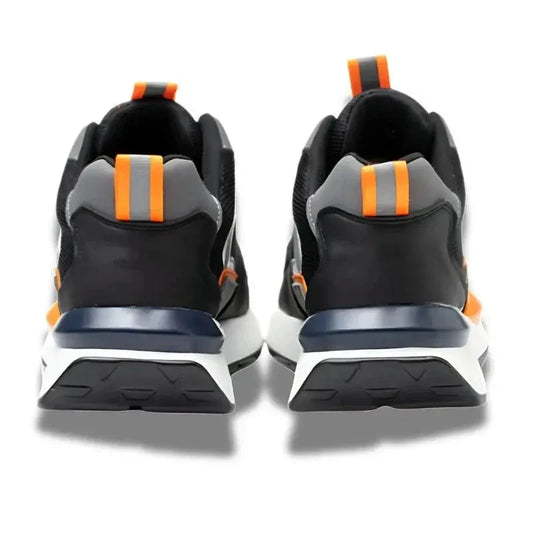
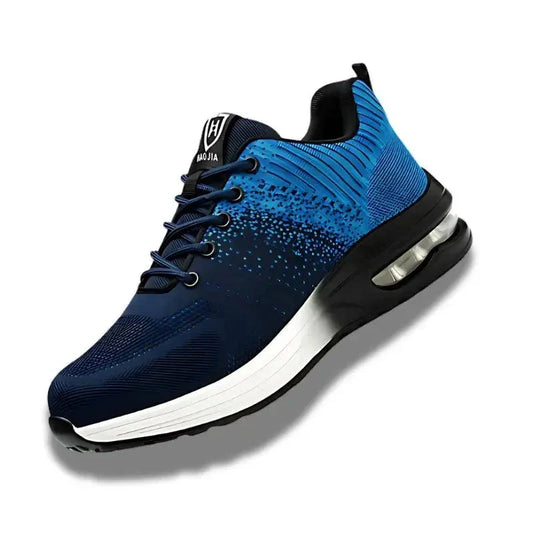
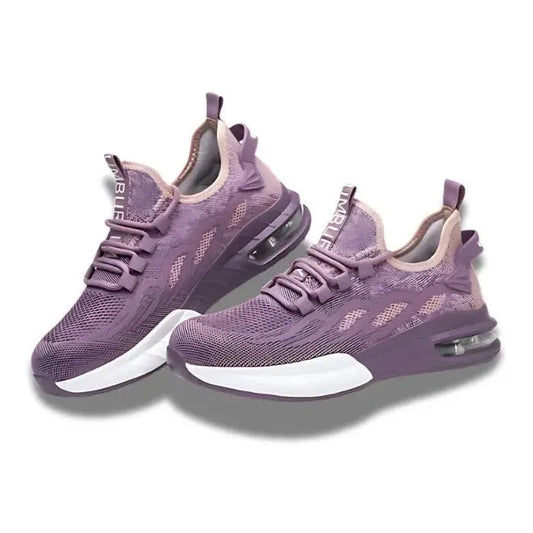
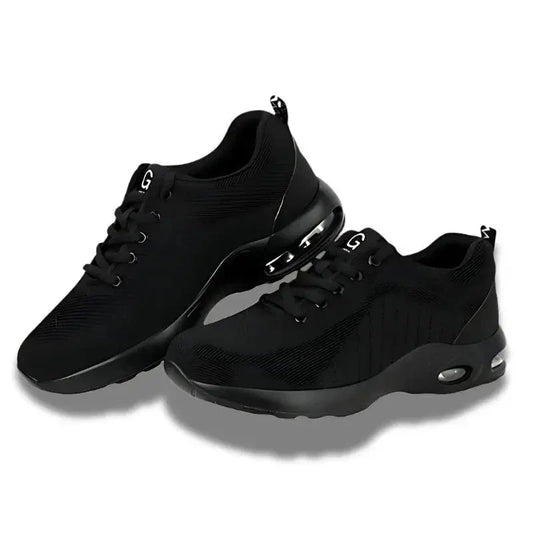
Lightweight trainers are suitable for highly mobile jobs if their protection level covers the risks. A high-top model provides more support, while a boot is better suited to certain wet or dirty environments. In kitchens or on smooth floors, the advertised grip becomes particularly important.
Try on shoes at the end of the day with your usual socks and leave enough room for your toes. Respect the employer's risk analysis. Clean and dry shoes without excessive heat, alternate pairs if possible, and replace any model whose protection is damaged.
Key takeaway: the best shoe is one that covers real risks, provides good foot support, and remains comfortable when moving.
Produits issus du catalogue Manuzen · Vérifiez les caractéristiques sur la fiche.